 Sign Up for Our Newsletter

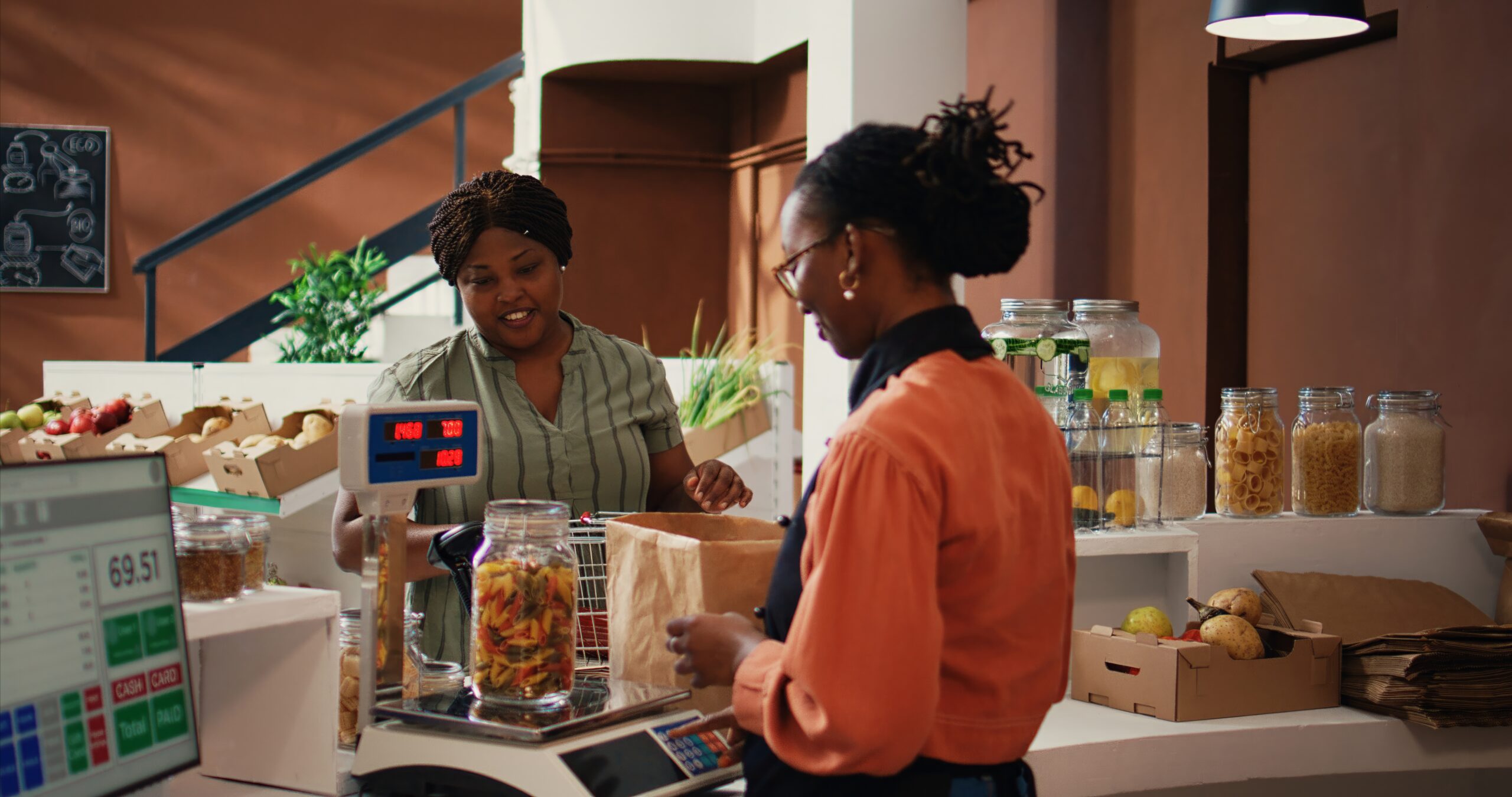
Published: February 2026
Last Updated: February 2026
Author: Alston Hanley
IT operations professional with over 15 years of experience and a lifelong tech enthusiast. Based in the Caribbean, the Founder of MyCaribbTech.com, CaribbTech Dynamics Online (CTDO), writes about AI, Technology, Business, Outdoor gear, and Fitness lifestyle tools, sharing practical, real-world insights through his blog launched in 2023.
Key Takeaways
- Caribbean retail customer experience directly impacts revenue, loyalty, and brand reputation.
- Scalable staffing and structured training improve service consistency.
- CRM and POS systems enable personalized engagement.
- Reputation management is critical in small markets.
- Performance metrics support continuous improvement.
Affiliate Disclosure
Some links in this article are affiliate links. This means we may earn a commission if you sign up through these links, at no additional cost to you. We only recommend platforms that we have reviewed independently and that are relevant to Caribbean freelancers.
Introduction
Caribbean retail customer experience has become one of the most important competitive advantages for businesses operating in small island markets. With growing competition from international e-commerce platforms, regional chains, and digital marketplaces, local retailers must now deliver consistent, high-quality service to remain profitable.
Customers across the Caribbean expect fast assistance, clear policies, reliable inventory, and personalized support. In tightly connected communities where opinions spread quickly through WhatsApp groups, Facebook pages, and word-of-mouth networks, one negative experience can influence dozens of potential buyers.
This guide explains how Caribbean retailers can systematically improve customer experience through structured operations, staff development, and modern retail technology.
What Is Caribbean Retail Customer Experience?
Caribbean retail customer experience refers to the overall perception customers develop through every interaction with a retail business, including:
- In-store service quality
- Staff professionalism
- Checkout efficiency
- Return and warranty processes
- Digital communication
In the Caribbean context, this experience is shaped by seasonal tourism, limited labor pools, supply chain delays, and hybrid payment systems. Retailers that adapt to these realities create stronger emotional connections with customers and increase long-term retention.
Why Customer Experience Drives Revenue Growth
Customer experience influences three core business outcomes:
- Customer retention
- Average transaction value
- Customer lifetime value (CLV)
Research in retail economics shows that increasing customer retention by just 2% can generate revenue comparable to a 10% reduction in operating costs. Repeat customers purchase more frequently, trust the brand, and require less marketing investment.
For Caribbean retailers serving smaller populations, retention has a disproportionately large impact on profitability.
Core Strategies for Improving Caribbean Retail Customer Experience
To deliver consistent service excellence, retailers must implement structured operational systems.
1. Build a Scalable Workforce
Retail demand in the Caribbean fluctuates due to tourism seasons, festivals, holidays, and school cycles. Without flexible staffing, service quality declines during peak periods.
Best practices include:
- Cross-training employees
- Maintaining part-time staffing pools
- Using demand forecasting tools
- Hiring seasonal workers
Scalable staffing ensures customers receive timely support throughout the year.
2. Prioritize First-Contact Resolution
First-contact resolution (FCR) measures how often customer issues are resolved during the first interaction.
High FCR reduces complaints, refunds, and negative online reviews.
Target benchmark: 85%–90%
Implementation steps:
- Provide clear escalation protocols
- Maintain centralized customer records
- Empower frontline staff to resolve routine issues
Improving FCR strengthens trust and operational efficiency.
3. Remove Customer Friction
Operational barriers increase frustration and reduce repeat visits.
Common friction points include:
- Rigid return policies
- Manual approval processes
- Unclear warranty terms
- Inconsistent pricing
Retailers should standardize procedures and empower employees to resolve common issues quickly and fairly.
4. Develop Structured Training Programs
Employee competence directly affects customer satisfaction.
Training should cover:
- Product knowledge
- Customer service skills
- POS system usage
- Conflict resolution
- Digital communication tools
Recommended schedule:
| Training Area | Frequency |
|---|---|
| Product Updates | Monthly |
| Service Skills | Quarterly |
| Systems Training | Biannual |
Consistent training improves accuracy, confidence, and professionalism.
5. Use CRM and Customer Data Effectively
Customer Relationship Management (CRM) systems help retailers track:
- Purchase history
- Customer preferences
- Service complaints
- Loyalty participation
This data enables personalized marketing and proactive service.
Practical applications include:
- Targeted promotions
- VIP loyalty programs
- Reactivation campaigns
- Birthday discounts
Even simple digital records significantly improve service continuity.
Technology as a Customer Experience Enabler
Modern retail technology reduces errors and improves responsiveness.
Essential Systems for Caribbean Retailers
- Point-of-Sale (POS) software
- Inventory management platforms
- CRM systems
- Sales analytics dashboards
When integrated, these systems provide real-time visibility into customer behavior and stock levels, enabling faster decision-making and better service delivery.
Managing Reputation in Small Island Markets
In Caribbean communities, reputation spreads rapidly.
Customers share experiences through:
- WhatsApp groups
- Facebook communities
- Google Reviews
- Personal referrals
Reputation Impact Chain
Poor Service → Negative Reviews → Reduced Trust → Lower Foot Traffic → Revenue Decline
Positive Service → Referrals → Brand Advocacy → Customer Growth → Revenue Stability
Active reputation management protects long-term profitability.
Measuring Customer Experience Performance
Retailers must monitor service quality using standardized metrics.
Key Performance Indicators (KPIs)
| Metric | Purpose |
|---|---|
| Net Promoter Score (NPS) | Customer loyalty |
| Customer Satisfaction (CSAT) | Service quality |
| Repeat Purchase Rate | Retention |
| Resolution Time | Efficiency |
Monthly performance reviews enable early intervention and continuous improvement.
Turning Feedback into Operational Improvements
Customer feedback becomes valuable only when translated into action.
Five-Step Feedback Loop
- Collect feedback
- Categorize issues
- Assign responsibility
- Implement solutions
- Communicate improvements
This structured process converts complaints into system enhancements.
Leadership’s Role in Customer Experience Excellence
Leadership commitment determines service consistency.
Effective leaders:
- Observe frontline operations
- Review KPIs regularly
- Invest in employee training
- Recognize high-performing staff
When management models service excellence, employees follow.
Future Trends in Caribbean Retail
Emerging trends shaping customer experience include:
- Mobile and QR payments
- WhatsApp-based customer support
- AI-driven demand forecasting
- Omnichannel retail models
- Personalized pricing systems
Early adopters of these technologies gain long-term competitive advantages.
Conclusion
Caribbean retail customer experience is no longer driven by isolated service gestures. It is built through integrated systems, skilled employees, modern technology, and strong leadership.
For Caribbean retailers, sustainable success requires adapting global best practices to regional realities such as seasonal demand, limited labor pools, and high reputational sensitivity.
By investing in scalable staffing, CRM systems, structured training, performance monitoring, and reputation management, businesses can strengthen loyalty, increase profitability, and achieve long-term growth in the Caribbean retail market.

