

Published: Jul 23, 2025
Last Updated: Oct 28, 2026
Author: Alston Hanley
IT operations professional with over 15 years of experience and a lifelong tech enthusiast. Based in the Caribbean, the Founder of MyCaribbTech.com, CaribbTech Dynamics Online (CTDO), writes about AI, Technology, Business, Outdoor gear, Fitness lifestyle tools, digital entrepreneurship, Caribbean Travel, island experiences and sharing practical, real-world insights through his blog launched in 2023.
Affiliate Disclosure: Thank you for supporting us! Some of the links on MyCaribbTech may be affiliate links. If you click an affiliate link and make a purchase or sign up for a service, we may earn a commission at no additional cost to you. We only recommend products and services that we believe may be useful to our readers. Affiliate partnerships do not influence the information, comparisons, or opinions presented in our articles. Prices, fees, features, availability, and terms can change, so always verify the latest details directly with the provider before making a purchase or business decision.
Eco-Friendly Cycling Lifestyle: 7 Powerful Benefits for a Healthier Caribbean
Last updated: October 27, 2026
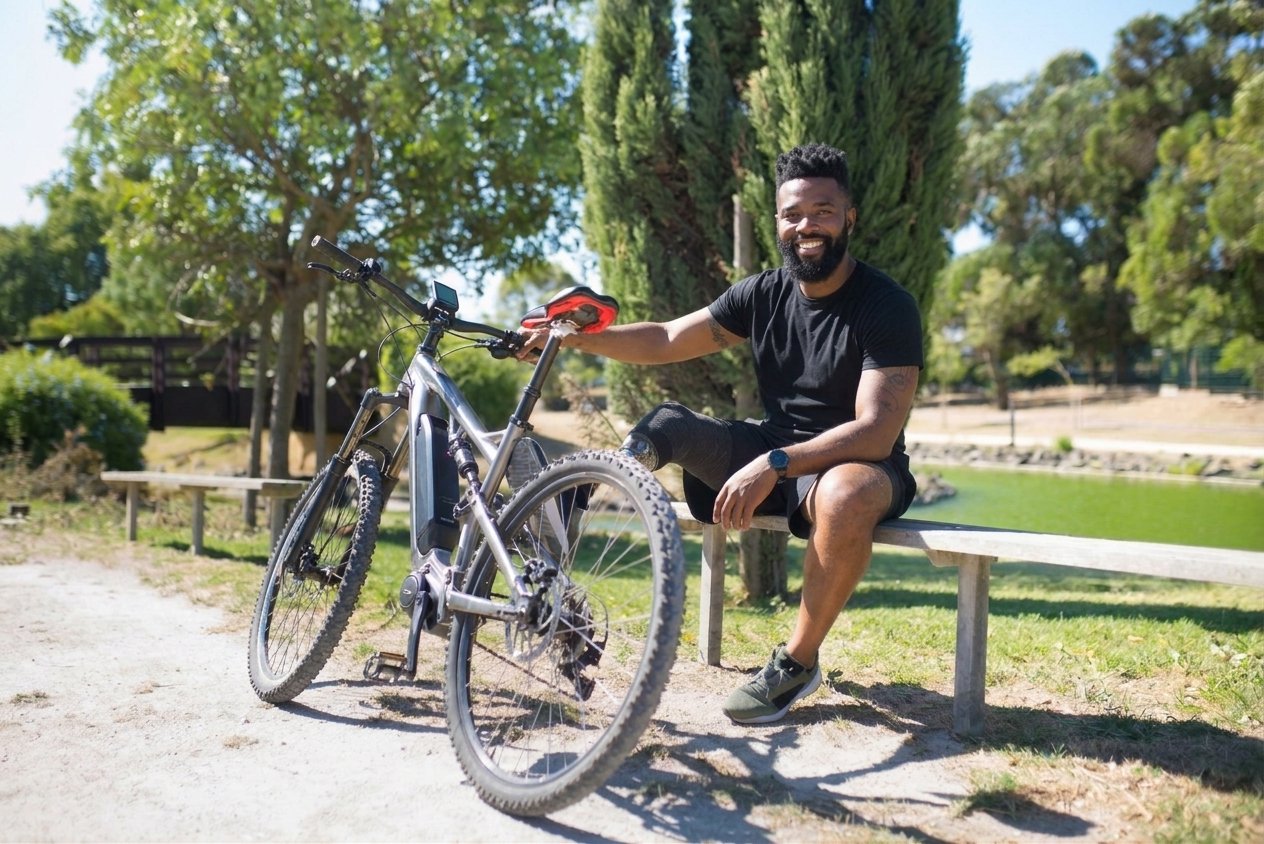
Eco-Friendly Cycling Lifestyle is about more than riding a bicycle. It is a practical way to embrace an active routine, explore the Caribbean outdoors, reduce reliance on motorized transport for suitable journeys, and make more sustainable everyday choices.
Across the Caribbean, we enjoy sunshine, coastal scenery, rolling hills, and vibrant communities. Cycling can help us appreciate these surroundings while building physical activity into our daily routines. Whether you live in St. Kitts and Nevis, the British Virgin Islands, Barbados, Jamaica, or another Caribbean destination, the right bicycle can offer an enjoyable alternative for recreation, fitness, and selected short trips.
However, tropical weather, steep roads, traffic conditions, and access to bicycle maintenance all matter when choosing how to ride.
In this guide, we explore seven benefits of adopting an eco-friendly cycling lifestyle, compare popular bicycle options, and share practical advice for riding more safely and comfortably in the Caribbean.
Key Takeaways
- Support your health: Regular cycling can improve cardiovascular fitness, strengthen muscles, and support mental well-being.
- Make greener journeys: Replacing suitable car trips with cycling can reduce transport-related emissions.
- Explore your island: Cycling offers a different perspective on coastal communities, local attractions, and scenic routes.
- Choose the right bicycle: Traditional, hybrid, mountain, folding, and electric bicycles suit different needs, budgets, and terrain.
- Save on selected transport costs: Cycling can reduce spending on fuel and parking, although maintenance and equipment still cost money.
- Ride with the climate in mind: Start early, carry water, use sun protection, and avoid strenuous rides during extreme heat.
- Put safety first: Wear a properly fitted helmet, use lights and reflective clothing, and choose routes that match your ability and local road conditions.
Table of Contents
- Why an Eco-Friendly Cycling Lifestyle Matters
- 7 Powerful Benefits of Cycling in the Caribbean
- Traditional Bike vs Electric Bike: Product Comparison
- How to Choose the Best Bicycle for Caribbean Living
- Caribbean Cycling Safety, Heat, and Maintenance Tips
- How to Start Your Cycling Routine
- Frequently Asked Questions
- Final Thoughts
Why an Eco-Friendly Cycling Lifestyle Matters
An eco-friendly cycling lifestyle combines physical activity with more sustainable transportation choices. Instead of using a car or motorbike for every suitable journey, you can cycle when the distance, weather, road conditions, and your personal circumstances make it practical.
The environmental benefit depends partly on which form of transportation cycling replaces. A bicycle used instead of a short car journey can help reduce fuel consumption and transport emissions. An electric bicycle also uses energy and has manufacturing impacts, but it may still offer environmental advantages when it replaces a motor vehicle.
The World Health Organization’s Health Economic Assessment Tool for walking and cycling evaluates health, environmental, air-pollution, and road-safety considerations associated with active travel. This reinforces an important point: cycling benefits individuals and communities most when it is supported by safe routes and sensible travel choices.
For Caribbean residents, cycling can also become part of a broader healthy lifestyle that includes walking, hiking, swimming, and other outdoor activities.
7 Powerful Benefits of Cycling in the Caribbean
1. Improve Cardiovascular Fitness and Build an Active Routine
Cycling is an accessible form of aerobic exercise that gets your heart and lungs working. With regular practice, it can contribute to improved cardiovascular fitness and help you meet recommended physical activity levels.
The US Centers for Disease Control and Prevention identifies regular physical activity as an important part of reducing the risk of heart disease, stroke, type 2 diabetes, and other health problems.
You do not need to begin with a long island-wide ride. Start with a comfortable 10- to 15-minute session on a safe, relatively flat route, then gradually increase the duration as your fitness improves.
Caribbean tip: Schedule rides early in the morning, before the temperature climbs, and choose a route with somewhere safe to stop and rest.
2. Support Weight Management and Muscle Strength
Cycling engages the muscles in your legs, hips, and core while providing an opportunity to increase your daily energy expenditure. Combined with balanced nutrition, adequate sleep, and other physical activity, it can support weight management and general fitness.
The intensity depends on your speed, terrain, fitness level, and the amount of assistance provided if you ride an e-bike.
Hilly routes around Caribbean islands can be physically demanding. Begin on manageable terrain rather than trying to conquer steep climbs on your first outing.
Remember: There is no single exercise that guarantees weight loss. Consistency and a sustainable routine matter more than pushing yourself too hard on one ride.
3. Reduce Transport Emissions and Make Greener Choices
One of the strongest environmental reasons to cycle is the opportunity to replace some short motorized journeys.
Consider cycling to a nearby destination when it is safe and practical, instead of automatically starting your car or taking a motorbike. Even occasional substitutions can help reduce fuel use over time.
Traditional bicycles have no tailpipe emissions during use. E-bikes require electricity, and their batteries and components have manufacturing and disposal impacts, but they can still be a useful lower-emission alternative to car travel.
For island communities that depend heavily on imported fuel, reducing unnecessary vehicle use can also support more efficient household transportation choices.
4. Explore Caribbean Scenery and Spend More Time Outdoors
Cycling can turn an ordinary morning into an opportunity to experience your island differently.
You might ride along a suitable coastal road, explore a quiet neighbourhood, visit a local attraction, or join an organised cycling group. You can enjoy the fresh air and scenery while adding movement to your day.
For residents and visitors alike, cycling may also complement other outdoor activities, including hiking and beach walks.
Nevertheless, not every scenic road is suitable for bicycles. Narrow shoulders, blind corners, steep descents, and fast-moving traffic can make certain routes dangerous. Research the route and check local conditions before setting out.
5. Reduce Selected Transportation Expenses
Once you own a suitable bicycle, many everyday rides can cost less than comparable trips by car. You may spend less on fuel, parking, and some routine transport expenses.
However, a bicycle is not entirely free to operate. You should budget for:
- A helmet, lights, and a secure lock.
- Tyres, tubes, brake pads, and routine servicing.
- Replacement parts and occasional repairs.
- A battery and charging equipment if you choose an e-bike.
- Shipping, import duties, and availability of spare parts where applicable.
In the Caribbean, it is worth checking whether a local shop can service your chosen bicycle before purchasing it online. A slightly more expensive model with accessible replacement parts may prove more practical over time.
6. Support Mental Well-Being and Enjoyable Movement
Cycling can offer a welcome break from work, screens, and daily responsibilities. Gentle movement outdoors may help you unwind, enjoy a change of scenery, and build a sense of accomplishment.
The experience does not need to be competitive. A relaxed weekend ride, a short trip with friends, or a leisurely pedal through a familiar area can be enough to make movement more enjoyable.
Research on physical activity supports benefits for mood and general well-being, although individual experiences vary.
Healthy-living idea: Pair your cycling routine with another outdoor activity you enjoy, such as walking, hiking, or swimming, so that exercise feels like a lifestyle rather than a chore.
7. Make Active Transportation Part of Your Everyday Life
The biggest benefit of cycling may be how easily it can become a regular habit.
Rather than reserving your bicycle for occasional weekend adventures, identify journeys that are short, safe, and convenient enough to complete by bike. You might use it for a nearby errand, a recreational ride, or a planned trip to a suitable meeting point.
Electric-assist bicycles can make this transition easier for some people, particularly on hilly routes or when longer distances and physical limitations make conventional cycling less appealing.
However, pedal assistance does not remove the need for exercise or road awareness. Choose the level of assistance that suits your fitness and local conditions, and avoid riding faster than you can safely control.
Traditional Bike vs Electric Bike: Product Comparison
Choosing the right bicycle is essential for creating a cycling routine that suits Caribbean roads, weather, fitness goals, and budget. The table below compares common bicycle types by their best use rather than suggesting that one option is right for everyone.
| Bicycle type | Best for | Main advantages | Considerations |
|---|---|---|---|
| Traditional hybrid bike | Everyday rides and recreation | Versatile, efficient, often suitable for paved roads and light paths | Check tyre width, gearing, and frame comfort |
| Electric-assist bike | Longer rides and hilly routes | Motor assistance can make climbing and longer trips easier | Higher upfront cost, battery care, charging, and servicing |
| Mountain bike | Rough tracks and uneven terrain | Wider tyres, stable handling, and suitable gearing for off-road use | Usually heavier and less efficient on smooth roads |
| Road bike | Fitness training on paved roads | Lightweight design and efficient riding position | Less forgiving on rough surfaces; fit and handling are important |
| Folding bike | Compact storage and mixed-mode travel | Convenient where storage space is limited | Small wheels and frame design may not suit every road or rider |
| Cruiser bike | Leisurely rides on suitable flat routes | Relaxed riding position and casual recreational use | Often less suited to steep hills and longer fitness rides |
Which bicycle is best for Caribbean living?
- Choose a hybrid bike if you want a flexible option for fitness and everyday recreation.
- Consider an electric-assist bike if hills, longer distances, or reduced physical exertion are important factors.
- Choose a mountain bike if you expect to ride on rough tracks, provided those routes are appropriate for bicycles.
- Consider a folding bike if storage and portability are your main concerns.
Before buying, check the manufacturer’s specifications, frame size, weight capacity, braking system, tyre suitability, warranty, and local servicing options. Prices and availability vary considerably between Caribbean markets.
How to Choose the Best Bicycle for Caribbean Living
Your ideal bicycle depends on where you will ride and how you plan to use it.
Consider these five factors before making a purchase:
- Terrain: Look at the hills, road surfaces, potholes, and gradients on your usual routes. Choose appropriate gearing, tyres, and brakes.
- Comfort: Make sure the frame fits your height and riding style. A professional fitting can improve comfort and handling.
- Climate: Look for suitable components and maintenance guidance for humid, salty coastal environments. Rinse off salt residue as appropriate, dry the bicycle, and lubricate the chain according to the manufacturer’s instructions.
- Budget: Include the cost of safety equipment, servicing, replacement parts, and shipping or import charges.
- Availability of repairs: Confirm that compatible tyres, tubes, brake parts, and other essential components can be obtained locally or shipped reliably.
Should You Buy an Electric Bike?
An e-bike can be useful if you want assistance on steep roads or need to travel farther without arriving as tired or sweaty. It can also make cycling more approachable for some riders.
However, an e-bike is not automatically the most economical or sustainable choice. The purchase price, battery replacement, electricity supply, expected lifespan, and journeys it replaces all affect its overall value.
Before ordering, check the bicycle’s classification and applicable rules in your country or territory. Regulations covering motor power, speed, helmet use, registration, and where electric bicycles may be ridden can differ.
Caribbean Cycling Safety, Heat, and Maintenance Tips
Cycling in tropical conditions requires preparation. The combination of heat, humidity, intense sunlight, sudden rain, and variable road conditions deserves particular attention.
Protect Yourself from Heat and Sun
- Ride early in the morning or later when temperatures are more comfortable.
- Drink water before setting out and carry enough for your planned journey.
- Wear lightweight, breathable clothing and apply sunscreen.
- Build up your riding time gradually, particularly if you are new to outdoor exercise.
- Stop in a shaded, cool place if you feel unwell, dizzy, unusually weak, or nauseated.
Do not push through signs of heat illness. Confusion, collapse, or suspected heatstroke requires emergency medical assistance.
Make Road Safety a Priority
- Wear a properly fitted, recognised-standard cycling helmet.
- Use front and rear lights, and wear visible or reflective clothing.
- Follow local traffic laws and signal turns clearly.
- Ride predictably and maintain awareness of vehicles, pedestrians, potholes, and road edges.
- Avoid unfamiliar steep descents and roads with poor visibility.
- Check brakes, tyres, wheels, and steering before each ride.
- Avoid riding through floodwater or on roads made slippery by heavy rain.
In places where roads have limited shoulders or poor lighting, consider whether a route is genuinely suitable for cycling. If conditions are unsafe, choose another form of transportation.
Take Extra Care with E-Bike Batteries
Electric bicycles need additional battery precautions, particularly in hot and humid environments.
- Use the manufacturer’s approved charger.
- Charge the battery in a cool, dry, well-ventilated location away from combustible materials.
- Keep batteries out of direct sunlight and allow them to cool after a hot ride before charging.
- Do not charge a swollen, damaged, leaking, or unusually hot battery.
- Avoid exposing electrical components to heavy rain or flooding beyond their specified water-resistance rating.
- Never leave a battery charging unattended overnight.
Follow the manufacturer’s storage, charging, and maintenance instructions, and use a qualified repair service for battery problems.
How to Start Your Cycling Routine
You do not need an expensive bicycle or a complicated training plan to get started. Begin with a manageable routine and build consistency.
Here is a sample first-week plan for a healthy adult who can safely undertake light to moderate exercise:
| Day | Suggested activity | Goal |
|---|---|---|
| Monday | 10–15 minutes of easy cycling | Learn the route and get comfortable |
| Tuesday | Rest or take a gentle walk | Recover |
| Wednesday | 15–20 minutes of cycling | Practise steady pacing |
| Thursday | Rest or light stretching | Maintain flexibility |
| Friday | 15–20 minutes of easy cycling | Build consistency |
| Saturday | Optional relaxed ride on a safe route | Enjoy the outdoors |
| Sunday | Rest and check your bicycle | Prepare for the next week |
Adjust this plan to your fitness, health, and local conditions. If you have a medical condition, significant mobility limitations, or concerns about starting exercise, seek personalised advice from a healthcare professional.
Make Your Rides More Enjoyable
- Invite a friend or family member to join you.
- Discover a safe, familiar route before attempting a longer journey.
- Track your riding time or distance if that motivates you.
- Combine cycling with other activities you already enjoy.
- Celebrate consistency rather than speed.
The goal is to develop a routine that fits your life and can be sustained over time.
Frequently Asked Questions
Is cycling a good exercise for Caribbean residents?
Yes. Cycling can support cardiovascular fitness, muscle activity, and general well-being. Choose routes and ride times that suit the climate, your fitness level, and local road safety conditions.
Is an electric bike better than a traditional bicycle?
Neither is universally better. A traditional bicycle is generally simpler and avoids battery charging, while an e-bike can make hills and longer distances more manageable. The best choice depends on your budget, fitness goals, terrain, and intended use.
Can cycling help reduce transportation costs?
It can reduce fuel and parking expenses when it replaces suitable motorized trips. However, you should account for the bicycle’s purchase price, maintenance, safety equipment, and any import or delivery charges.
Is cycling safe in hot and humid weather?
It can be, with appropriate precautions. Ride during cooler periods, stay hydrated, wear breathable clothing, and gradually adapt to outdoor exercise. Avoid strenuous rides during extreme heat and stop if you develop symptoms of heat illness.
What should I buy before my first ride?
Start with a properly fitted helmet, front and rear lights, a secure lock, water, and comfortable clothing. A spare tube or puncture-repair kit and a pump are also useful, provided you know how to use them.
How often should beginners cycle?
Begin with short, comfortable rides several times per week if that suits your health and schedule. Increase duration gradually, take recovery days, and aim to build a sustainable activity routine rather than pushing for rapid progress.
Are electric bicycles environmentally friendly?
They can be a more sustainable transportation option, especially when they replace car journeys. Their overall environmental impact also depends on electricity generation, battery production, product lifespan, maintenance, and end-of-life recycling.
Final Thoughts: Make Cycling Part of a Healthier Caribbean Lifestyle
An eco-friendly cycling lifestyle offers an opportunity to combine personal fitness, outdoor enjoyment, and more sustainable transportation choices. From a short morning ride to a longer weekend adventure, cycling can help you move more and experience your surroundings in a different way.
The key is to choose a bicycle that matches your needs, plan around Caribbean weather, and make safety a priority. You do not have to replace every car journey or become a competitive cyclist. Start with one suitable ride, build your confidence, and develop a routine that works for you.
Ready to make a change? Explore your local bicycle shops, compare options carefully, and plan your first safe ride. Small, consistent choices can contribute to a healthier lifestyle and a more sustainable Caribbean.
Disclaimer: This article is for general informational purposes and is not a substitute for individual medical advice or local legal guidance. Check current cycling regulations and road conditions before riding.
Sources and Further Reading
- CDC — Health Benefits of Physical Activity for Adults
- World Health Organization — Health Economic Assessment Tool (HEAT) for Walking and Cycling
- CDC — Traveler Health Guidance for Saint Kitts and Nevis
- UK Government — Battery Safety for E-Cycle Users
- London Fire Brigade — Heat, Cold and Rain: How Weather Affects E-Bikes

