

Published: Sep 24, 2026
Last Updated: Sep 24, 2026
Author: Alston Hanley
Is an IT operations professional with over 15 years of experience, technology enthusiast, blogger, and founder of CaribbTech Dynamics Online (CTDO). Caribbean-born and based, the Owner & Editor of MyCaribbTech.Com, where he shares practical technology, AI, digital-business, lifestyle, and productivity insights designed to help Caribbean individuals, entrepreneurs, and small businesses bring their ideas to the world.
Affiliate Disclosure: Some of the links on MyCaribbTech may be affiliate links. If you click an affiliate link and make a purchase or sign up for a service, we may earn a commission at no additional cost to you. We only recommend products and services that we believe may be useful to our readers. Affiliate partnerships do not influence the information, comparisons, or opinions presented in our articles. Prices, fees, features, availability, and terms can change, so always verify the latest details directly with the provider before making a purchase or business decision.
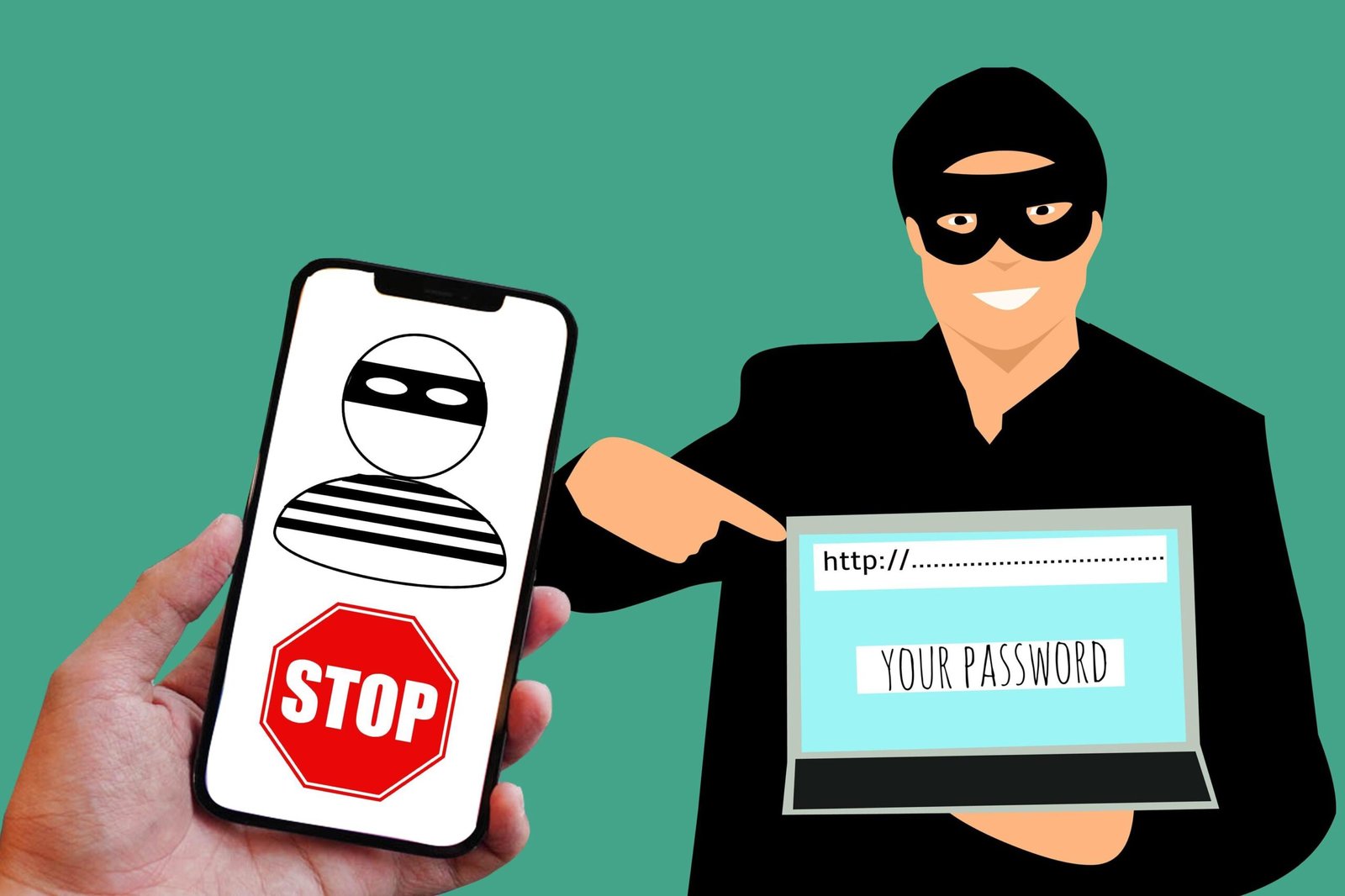
Small businesses are often seen as easy targets by cybercriminals — not because they have less to protect, but because they typically have fewer defenses in place than large corporations. The good news? Most breaches start with simple, fixable mistakes.
Here are five of the most common ones we see, and what to do instead.
1. Using the Same Password Across Multiple Accounts
If one account is compromised, reused passwords give attackers a master key to everything else. Encourage your team to use a password manager and enable multi-factor authentication (MFA) wherever possible — it’s one of the simplest ways to block unauthorized access, even if a password is stolen.
2. Delaying Software and Firmware Updates
That “update available” notification is often more urgent than it looks. Many updates patch security vulnerabilities that hackers actively scan for. Set a regular schedule — weekly or biweekly — to review and install updates across devices, routers, and business software.
3. Skipping Employee Security Training
Your team is your first line of defense, and also your biggest risk if they’re untrained. Phishing emails are getting harder to spot. A short training session every quarter, covering how to identify suspicious links and requests, can prevent the majority of social-engineering attacks.
4. No Backup Strategy
If ransomware locks your files tomorrow, would your business survive? A proper backup plan — stored separately from your main network — means an attack becomes an inconvenience, not a catastrophe. Test your backups regularly, not just once.
5. Treating Security as a One-Time Setup
Security isn’t something you install once and forget. Threats evolve, and your defenses need to evolve with them. Ongoing monitoring and monthly maintenance catch small issues before they become expensive problems.
The Bottom Line
Most cyberattacks succeed because of overlooked basics, not sophisticated hacking. A network security review can identify these gaps before someone else finds them for you.
Want a professional assessment of your business’s security posture? Contact Cariibb Tech Dynamics today for a consultation.

